Why Metal Culvert Is a Durable Choice for Drainage and Infrastructure Projects
Understanding the Role of Metal Culvert in Modern Drainage
I have spent years working on infrastructure projects across Indonesia, from busy highway expansions in Java to bridge repairs in Sumatra. One thing that consistently surprises new engineers is how often the simplest components cause the biggest headaches. Drainage, in particular, is easy to overlook until a clogged or collapsed pipe floods a road and stops traffic for hours. Over time, I have come to rely on a few proven solutions, and among them, the metal culvert stands out for its balance of strength, cost, and longevity.
A culvert is essentially a pipe or channel that lets water pass under a road, railway, or embankment. It seems straightforward, but choosing the wrong material can lead to expensive repairs, environmental damage, or even structural failure. Concrete has its place, but it is heavy, prone to cracking under uneven loads, and difficult to transport to remote sites. Plastic pipes are lighter but lack the stiffness to handle heavy traffic loads over decades. That is where a well-made metal culvert, especially one fabricated from galvanized steel, really earns its reputation.
Why Galvanized Steel Matters for Long-Term Performance
The core of a durable metal culvert is the steel itself, but the real magic happens in the coating. Hot-dip galvanizing, where the steel is dipped into molten zinc, creates a metallurgical bond that protects against corrosion far better than a simple paint job. I have inspected culverts that were installed over twenty years ago in coastal areas near Bekasi, where the air is salty and the soil is acidic, and the galvanized surface was still intact. That kind of performance is not an accident. It comes from a careful process that applies a thick, even layer of zinc, often referred to as lapisan seng in local technical discussions.
The thickness of the coating matters, but so does the thickness of the base steel. In the industry, we talk about diameter and ketebalan (thickness) as two separate but linked variables. A larger diameter pipe can carry more water, but if the walls are too thin, it may collapse under the weight of the soil above. On the other hand, a very thick wall on a small pipe can be overkill and waste money. The best engineers I know always match the pipe's gauge to the specific load conditions of the site. For example, a culvert under a busy jalan raya needs a heavier wall than one under a quiet village road.
Local Manufacturing and Certification Standards
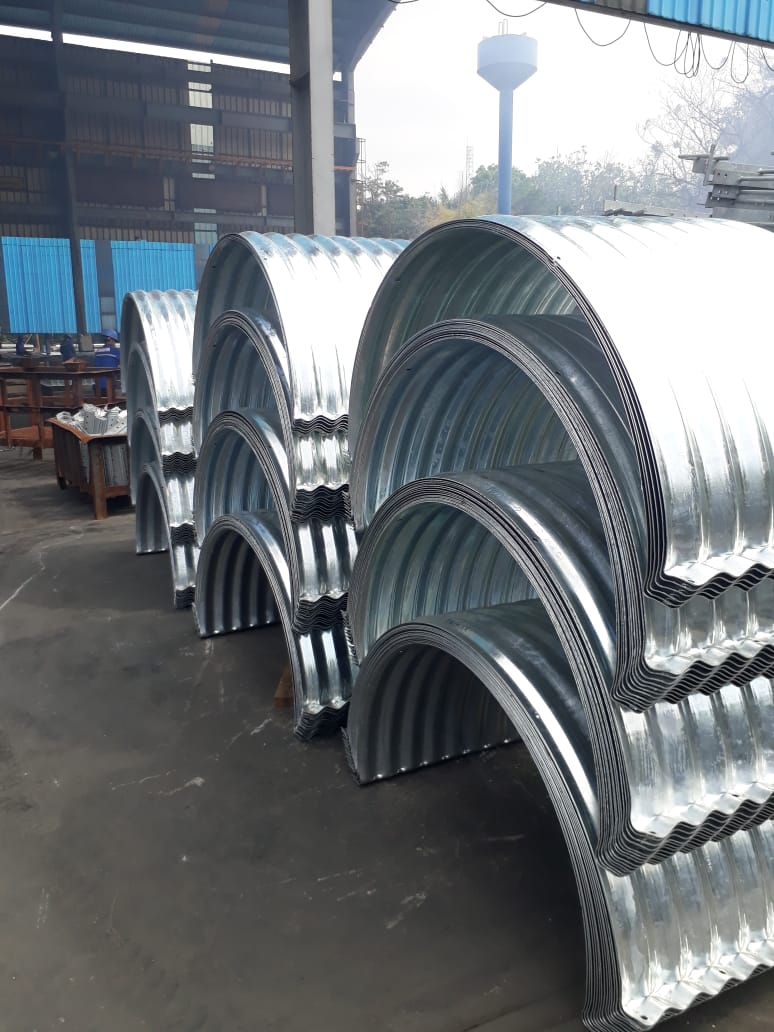
One of the reasons I trust domestically produced galvanized steel pipes is the growing maturity of local manufacturing. Companies like PT Primari Inrahm Utama, based in Bekasi, produce gorong-gorong baja that meets SNI 07-2246-2011, the national standard for corrugated steel culvert pipes in Indonesia. That certification is not just a sticker; it means the product has passed rigorous tests for dimensions, coating weight, and mechanical strength. I have seen imported pipes that arrived with inconsistent wall thicknesses or thin zinc layers that peeled off within a year. Local products, when made to standard, often perform just as well and come with the advantage of shorter delivery times and easier communication if something goes wrong.
Another factor that matters for government and large private projects is TKDN, or the domestic content level. Many infrastructure contracts now require a minimum percentage of locally sourced materials. Using a pipa baja from a factory in Bekasi that can demonstrate a high TKDN value simplifies procurement and helps the local economy. It is a practical consideration that can make or break a project timeline.
Practical Installation and Maintenance Tips
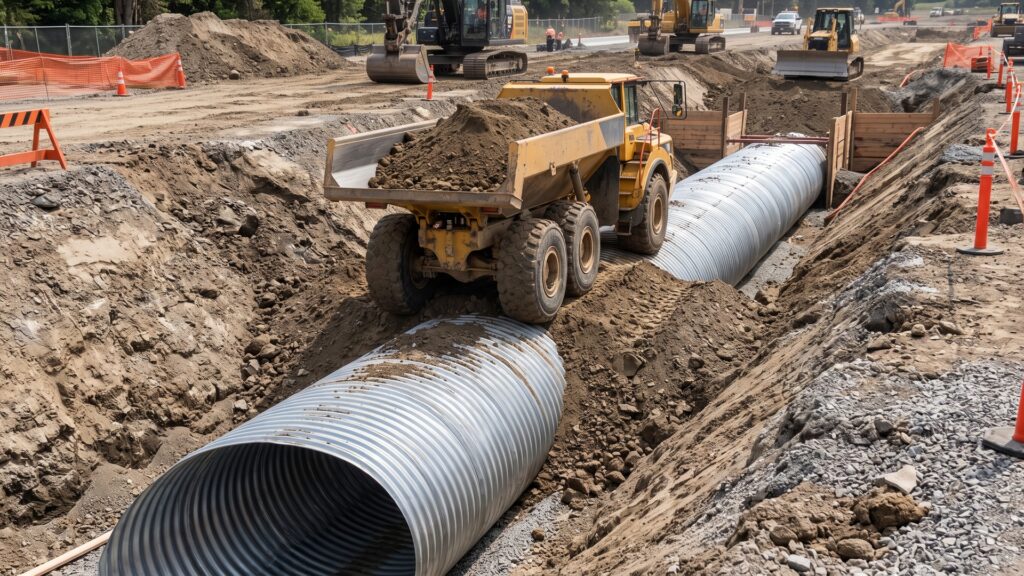
From my own field experience, I can say that a high-quality metal culvert is only as good as its installation. I have seen perfect pipes ruined by poor bedding. The trench must be dug deep enough and the base compacted properly. If the ground settles unevenly, the pipe can deform even if the steel is strong. A good practice is to use a layer of granular material under the pipe and to backfill carefully in layers, compacting each one. This prevents the pipe from shifting over time and keeps the joints aligned.
Maintenance is another area where metal culverts shine. Because the galvanized coating resists korosi so well, inspections can be less frequent than with uncoated steel or concrete pipes that develop cracks. I usually recommend a visual check every two to three years, looking for any signs of rust at the ends or debris buildup inside. If the pipe is part of a drainase system for a jembatan or a busy road, annual checks during the dry season are wise. Cleaning is usually straightforward with a high-pressure water jet or a mechanical cleaner.
One thing to watch out for is abrasion. If the water flowing through the pipe carries a lot of sand or gravel, it can wear away the zinc coating over decades. In such cases, some contractors specify a thicker coating or a polymer lining on the invert. But for most ordinary saluran air applications, standard galvanizing is more than enough.
Cost and Value Over the Long Term
When comparing upfront costs, a metal culvert is often more expensive than plain concrete pipe but cheaper than reinforced concrete or high-end plastic alternatives. However, the real savings come from the longer service life and lower maintenance needs. I have calculated lifecycle costs for several projects and found that galvanized steel culverts consistently offer the best value, especially when you factor in the cost of traffic disruption during repairs. A road that has to be closed for a week to replace a failed pipe costs the community far more than the price difference in materials.
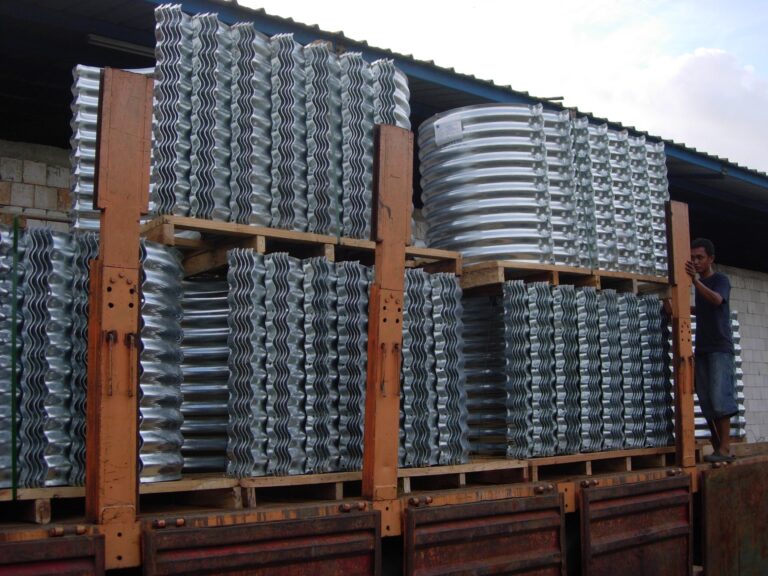
Another point is the ease of joining sections. Steel culverts often use simple band couplings or riveted joints that can be assembled quickly by a small crew. Concrete pipes require heavy lifting equipment and careful alignment of heavy sections. In remote areas where access is limited, the lighter weight of steel makes a huge difference. I once supervised a project in a mountainous area where the only road was a narrow dirt track. We could carry steel culvert sections by hand, while concrete pipes would have required a crane that could not even get to the site.
Environmental and Practical Considerations
Steel is also recyclable, which matters for sustainability. At the end of its service life, a metal culvert can be removed and the steel melted down for new products. Concrete, by contrast, often ends up as rubble in a landfill. For projects that aim for green certification, this can be a deciding factor.
That said, no material is perfect. In highly acidic soils or where the water has a very low pH, even galvanized steel may need extra protection. In those rare cases, some engineers specify a bituminous coating or use a culvert with a polymer laminate. But for the vast majority of infrastructure projects across Indonesia, from agricultural drainage to highway underpasses, a properly specified and installed metal culvert delivers decades of reliable service.
I remember a particular project in West Java where the local government had been replacing concrete culverts every five years because the acidic water from a nearby tea plantation was eating through the concrete. We switched to a galvanized steel culvert with a heavier coating, and ten years later it was still in excellent condition. That experience convinced me that material choice is not just about the initial spec sheet; it is about understanding the real conditions the pipe will face.
For anyone involved in konstruksi or infrastruktur planning, I recommend taking the time to evaluate the specific demands of the site: traffic load, water chemistry, soil type, and installation access. Talk to reputable manufacturers like PT Primari Inrahm Utama and ask for test reports and certification documents. A good supplier will be proud to show their SNI certification and explain their hot-dip galvanizing process. That transparency is a sign of quality that pays off in the field.
In the end, drainage might not be the most glamorous part of a project, but it is one of the most critical. Getting it wrong can delay an entire road or bridge opening. Getting it right, with a durable and well-made metal culvert, means the structure underneath the road stays dry and stable for decades. That is the kind of foundation every infrastructure project deserves.